
Ledger.com/Start® — Getting Started with Ledger Live™
Ledger.com/start offers practical information on Ledger wallet configuration, device setup, Ledger Live access, account organization, and important security considerations.
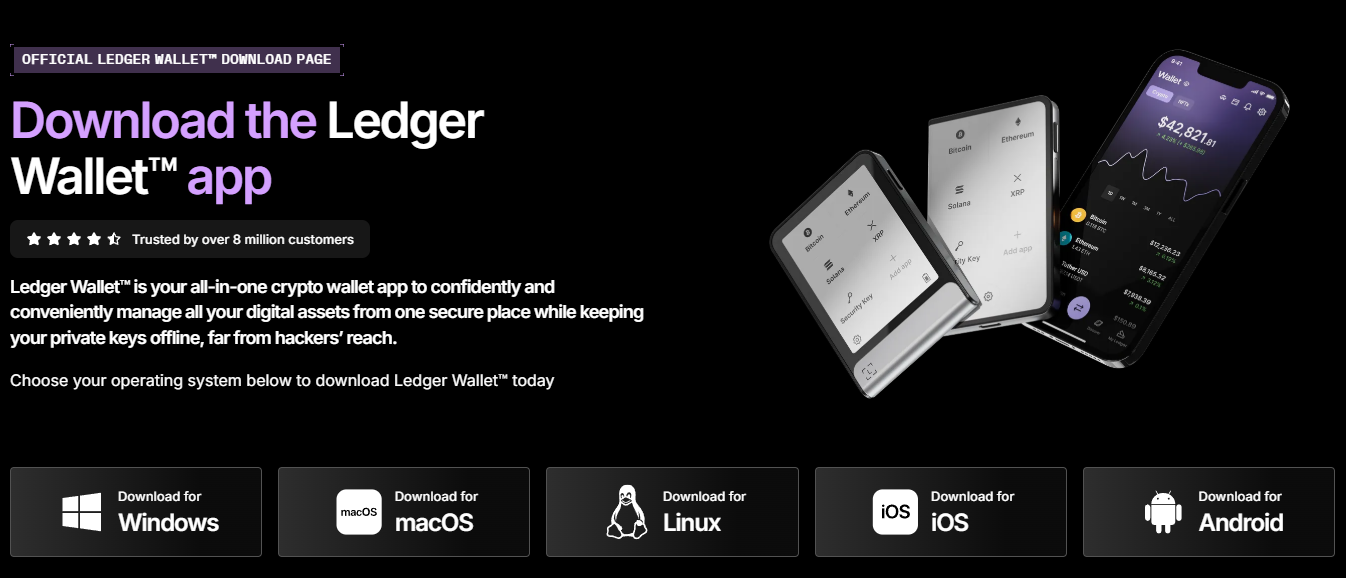
Ledger.com/start: Your Guide to Ledger Wallet Setup and Secure Access
A hardware wallet gives cryptocurrency users a dedicated device for managing supported digital assets and confirming important wallet operations. The Ledger ecosystem combines a physical Ledger wallet with compatible software designed to make account and asset management more convenient. Ledger.com/start is a useful starting point for understanding the initial setup, connecting a Ledger wallet app, and developing safer habits for everyday wallet access.
Starting Your Ledger Wallet Setup
The first step in setting up a Ledger wallet is preparing the hardware device and reviewing the appropriate setup instructions. Before connecting the device, make sure you are using a trusted source for the software and setup information.
A clean setup environment can make the process easier to follow. Keep your hardware wallet with you during initialization and carefully read the instructions displayed by the device and compatible software.
Do not rush through setup prompts simply to finish the process. Understanding each step helps establish a better foundation for future wallet management.
How the Ledger Wallet Works
A Ledger wallet is a physical hardware device designed to work with compatible wallet software. The device and application serve different purposes within the wallet-management process.
The Ledger wallet provides the hardware component used for important security operations, while the software interface allows users to interact with supported accounts and digital assets.
When a sensitive operation requires confirmation, review the information directly on the physical device rather than relying only on the information displayed on your computer or mobile screen.
Exploring the Ledger Wallet App
The Ledger wallet app provides an interface for managing supported cryptocurrency accounts and viewing wallet-related information. Depending on the device and current software features, users may be able to review balances, organize accounts, monitor activity, and prepare transactions.
Software features can change over time, and availability may depend on the specific Ledger device and supported asset. Users should consult current product documentation when they need instructions for a particular feature.
Keeping the Ledger wallet app updated through trusted sources can also help maintain compatibility with the supported hardware and software environment.
Understanding Ledger Live Login
Ledger Live login is part of accessing the software environment used for managing a Ledger wallet. Users should make sure they are using the expected application or a trusted Ledger resource before entering account information.
It is important to understand that software access is only one part of hardware-wallet security. Some operations require confirmation through the physical Ledger device.
If an unfamiliar website asks for a recovery phrase during a Ledger Live login process, stop immediately. Recovery information should not be provided to websites or people claiming to verify an account.
Protecting Your Recovery Information
Recovery information is extremely important because it can relate to restoring access to a wallet. For that reason, it should remain private and protected.
Never send your recovery phrase through email, chat, social media, or support forms. Do not save it as a digital screenshot or upload it to an online storage service.
Be cautious if anyone tells you that your Ledger wallet has been locked, suspended, disconnected, or compromised and asks you to enter recovery information to fix the problem.
Secure Transaction Verification
One of the most useful habits when managing digital assets with a hardware wallet is checking transaction information before approval.
Before confirming a transaction, review the destination address and amount on the Ledger device. Compare those details with the transaction you intended to make.
If something appears different, do not approve the transaction. Investigate the discrepancy first and make sure you understand what is being requested.
Recognizing Suspicious Wallet Requests
Cryptocurrency users may encounter fake support pages, imitation login screens, and messages designed to create a sense of urgency. These messages can claim that a wallet needs verification, synchronization, activation, or immediate security action.
Instead of following unexpected instructions, independently navigate to trusted Ledger resources. Avoid entering confidential wallet information into pages reached through suspicious links.
A professional-looking website is not automatically a trustworthy website, so source verification remains important.
Ledger Wallet App and Account Management
After the setup process is complete, the Ledger wallet app can provide an organized interface for supported account-management activities. Users can review available information and monitor their digital-asset activity through the software.
When managing multiple accounts, take time to confirm that you are working with the intended account before preparing a transaction. Clear account organization can help reduce accidental selections.
Troubleshooting Ledger Wallet Access
If your Ledger hardware wallet is not detected, check the physical connection first. Make sure the device is connected properly and unlocked, then review the current compatibility requirements for the software you are using.
If a problem continues, use trusted Ledger documentation for troubleshooting. Avoid downloading random applications, browser extensions, or drivers from unfamiliar websites.
Most importantly, never enter your recovery phrase into a troubleshooting page as a way to restore or verify a wallet.
Maintaining a Safer Ledger Routine
Good wallet security is an ongoing process rather than a single setup step. Keep your Ledger device physically protected, use trusted software, safeguard recovery information, and carefully review sensitive operations.
When using the Ledger wallet app or completing a Ledger Live login, remain alert to unexpected requests and unfamiliar websites. If an instruction seems unusual, pause and verify its source before continuing.
Final Thoughts on Ledger.com/start
Ledger.com/start provides a natural starting point for users learning how to prepare and manage a Ledger hardware wallet. The broader setup process can involve the Ledger wallet, Ledger wallet app, and Ledger Live login, with the physical device remaining an important part of sensitive wallet operations.
A careful approach makes the setup process easier to understand. Use trusted software, protect recovery information, verify transactions directly on the hardware device, and remain cautious about unsolicited wallet-support requests. These practices can help create a more organized and security-conscious Ledger wallet experience.
Updated about 8 hours ago