
Ledger.com/Start® — set up your Ledger hardware wallet
Ledger.com/start helps users understand the Ledger wallet setup process, including device configuration, Ledger Live access, account management, and essential wallet security practices.
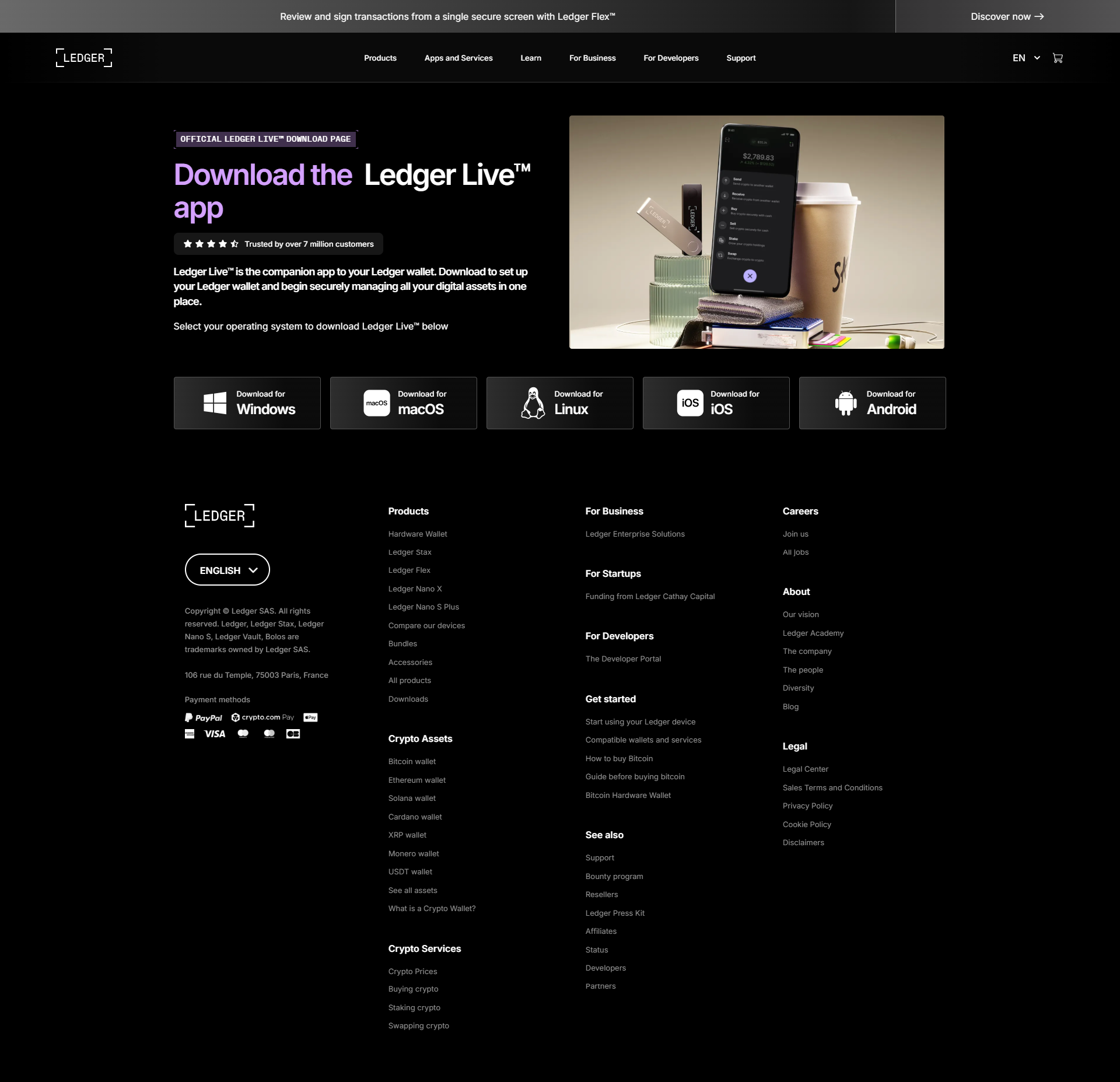
Ledger.com/start: Complete Guide to Ledger Wallet Setup and Ledger Live
Getting started with a Ledger wallet involves more than simply connecting a hardware device. Users need to understand the initial setup, companion software, account management, recovery protection, and secure transaction confirmation. Ledger.com/start can serve as a useful starting point for learning about the Ledger wallet setup process and the software used to manage supported digital assets.
Understanding the Ledger Wallet
A Ledger wallet is a hardware-based self-custody solution designed to keep private keys protected within a dedicated device. Instead of relying solely on an internet-connected computer, the physical wallet provides a separate environment for important security operations.
During setup, users should carefully follow the instructions displayed on the Ledger device. Important actions such as security configuration and transaction approval should be reviewed directly on the hardware wallet.
Starting With Ledger.com/start
The Ledger.com/start setup journey introduces the basic steps required to prepare a Ledger hardware wallet. Before beginning, use a trusted computer and make sure the device is connected correctly.
Users should also verify that they are using legitimate Ledger software and trusted setup resources. Avoid entering wallet credentials into websites reached through suspicious advertisements, unsolicited emails, or unknown messages.
Once the device is connected, follow the instructions provided by the supported Ledger software and the physical wallet. Taking time to verify each step can help prevent common setup mistakes.
Ledger Wallet App and Software
The Ledger wallet app provides an interface for interacting with supported cryptocurrency accounts and managing wallet activity. Depending on the supported platform and current features, users may use Ledger's companion software to view balances, manage accounts, install supported applications, and prepare transactions.
The software and hardware wallet work together. While the application provides the user interface, sensitive private keys are designed to remain protected by the hardware device.
Ledger Live Login
A Ledger Live login is used to access the application's available wallet-management features after the software has been installed and configured. Users should only enter login or security information into trusted Ledger software.
When accessing Ledger Live, verify that you are using the genuine application rather than a website or program that imitates the Ledger interface. Be especially cautious of messages asking you to enter a recovery phrase to restore or unlock an account.
A recovery phrase should never be treated as a normal login password. It is highly sensitive wallet backup information and must remain private.
Protecting Your Recovery Phrase
One of the most important stages of Ledger wallet setup is recording the recovery phrase generated or displayed by the device when applicable.
Write the words down carefully and keep the backup offline in a secure location. Avoid storing the recovery phrase in screenshots, cloud storage, email accounts, text files, or messaging applications.
Never share the recovery phrase with anyone claiming to be a support representative. Legitimate support should not require your complete recovery phrase, private keys, or PIN.
Using the Ledger Wallet Securely
After completing setup, use the Ledger wallet together with its supported software to manage your accounts. When sending cryptocurrency, carefully review the destination address and transaction details on the physical device before approving the transaction.
Checking the information on the hardware wallet provides an additional opportunity to detect unexpected details before a transaction is confirmed.
Managing Accounts Through Ledger Software
The Ledger wallet app can make it easier to organize supported accounts and monitor wallet activity from a computer or compatible device. Features can vary depending on the software version, supported cryptocurrency, and device model.
Users should keep their wallet software updated through trusted sources and avoid unofficial applications that claim to provide special wallet features or recovery services.
Security Tips for Ledger Users
Good wallet security depends on both technology and user behavior. Keep your recovery information private, protect your device PIN, and use a trusted computer when accessing your wallet.
Be cautious of phishing websites that imitate wallet login pages. Check website addresses carefully and avoid clicking unexpected wallet-related links.
Never approve a transaction simply because an application or website tells you that it is necessary. Review important details directly on the Ledger device before confirming.
Common Ledger Wallet Setup Mistakes
Some users rush through the setup process without reading the instructions displayed on the hardware wallet. Others store recovery information digitally or provide it to fraudulent support accounts.
Another common mistake is assuming that a Ledger Live login or software password replaces the recovery phrase. These serve different purposes. Account access credentials and wallet recovery information should be handled according to their respective security requirements.
Ledger.com/start Setup Checklist
Before using your Ledger wallet, review these basic steps:
• Prepare a trusted computer and secure environment.
• Connect the Ledger hardware wallet correctly.
• Install the appropriate Ledger wallet app or companion software.
• Follow the setup instructions shown on the physical device.
• Configure the required device security settings.
• Record and securely store your recovery information.
• Protect your PIN and other sensitive credentials.
• Use trusted software when completing a Ledger Live login.
• Review transaction details directly on the hardware wallet.
• Keep the wallet application and device software maintained through trusted sources.
Final Thoughts
Ledger.com/start can help users understand the fundamentals of setting up and using a Ledger wallet. The overall process includes preparing the hardware device, connecting compatible software, protecting recovery information, and learning how Ledger Live login and account management work.
For safer self-custody, treat your recovery phrase and PIN as confidential information, verify transactions on the physical device, and remain alert to phishing attempts. A careful setup provides a strong foundation for managing supported digital assets with a Ledger hardware wallet.
Updated about 8 hours ago